When it comes to fresh produce, knowing how to choose the best fruits and vegetables can make all the difference in flavor. We tapped into the expertise of eighth-generation farmer Jack Lanxon at Eckert’s Farm to break down simple, practical tips anyone can use. Whether you’re shopping at the store or visiting a pick-your-own farm like Eckert’s Farm, these insights will help you select produce at its peak.
Produce Harvesting Tips
1. What crops do you personally grow or work with most?
Eckert’s Farm is best known for its fruit trees, especially peaches and apples. The variety doesn’t stop there; Strawberries, blackberries, tomatoes, pumpkins, and even Christmas trees are part of the lineup, with tulips recently added as well. Tip: Because each crop behaves differently, there’s no one-size-fits-all approach to picking produce. The more you know about each crop, the better your chances of choosing something at peak flavor. Keep reading to learn more!
2. What’s something consumers always misunderstand about produce quality?
A common misconception is that perfect appearance equals perfect flavor. In reality, looks can be deceiving. Produce is often bred, shipped, and displayed with appearance in mind, including uniform size, smooth skin, and vibrant color, but those traits do not guarantee taste. Factors like soil health, weather patterns, when the item was harvested, and the specific variety all play a much bigger role in how something will actually taste.
For example, a slightly misshapen tomato grown in peak season may be far sweeter and more flavorful than a perfectly round one grown for durability. This is especially important to keep in mind when visiting the best pick-your-own patches near St. Louis or browsing local markets, where produce is often fresher but less “perfect” looking. Shoppers who focus only on cosmetic perfection may miss out on produce that is truly at its peak.
3. What’s one “rule of thumb” on picking produce you learned from previous generations that still holds up today?
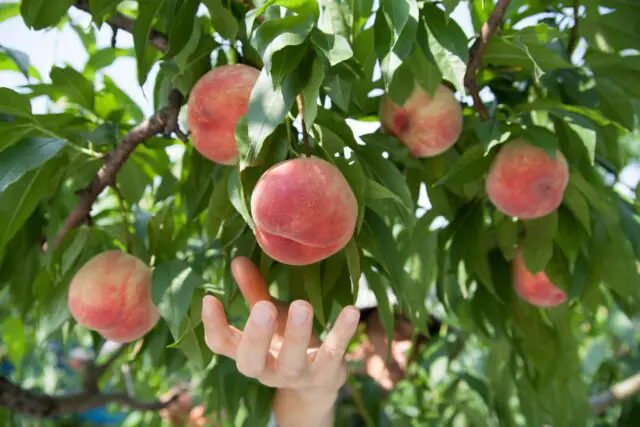
When it comes to peaches, a classic rule still applies: they should be slightly soft when gently squeezed, not too firm and not overly tender. This simple test has been used for generations at Eckert’s Farm because it directly reflects ripeness and juiciness.
A peach that is rock hard was likely picked too early and has not developed its full flavor yet, while one that feels mushy may be overripe. If peaches feel firm at the store, letting them sit at room temperature for a few days allows natural sugars to develop and the flesh to soften. This is one of the simplest ways to master how to pick peaches and avoid disappointment.
4. Are there examples where the “prettiest” color is actually not the best?
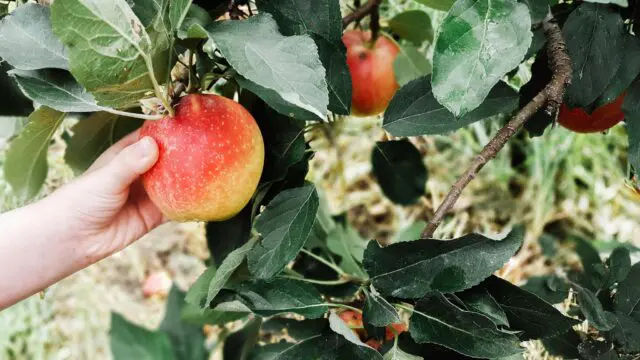
Apples are a perfect example. With so many varieties, color alone does not determine taste, texture, or quality. Some apples are meant to be bright red, while others are striped, speckled, or even more yellow-green in appearance. Fuji apples, for instance, may not develop a deep, uniform red in certain climates, but they are still known for their exceptional sweetness and crisp texture. Environmental factors like sunlight and temperature can affect how color develops on the outside without changing the flavor inside. This is helpful to remember when learning how to tell when apples are ready to be picked.
5. What are the top signs a fruit/vegetable is truly ripe?
There are a few reliable indicators of ripeness across many types of produce, but it is important to use them together rather than in isolation. Slight softness when gently squeezed often signals that the fruit has matured and is ready to eat, while a noticeable fragrance indicates that sugars have developed. If you are picking directly from the field, ripe produce will usually separate easily from the stem without needing to be forced.
Fully developed color and the absence of green tones can also signal maturity. These tips are especially useful when figuring out how to pick strawberries or deciding what to do with freshly picked strawberries after a day of picking. Together, these cues give a more complete picture than appearance alone and help ensure you are choosing produce that will actually taste good.
6. Which fruits should smell fragrant before buying, and which shouldn’t?
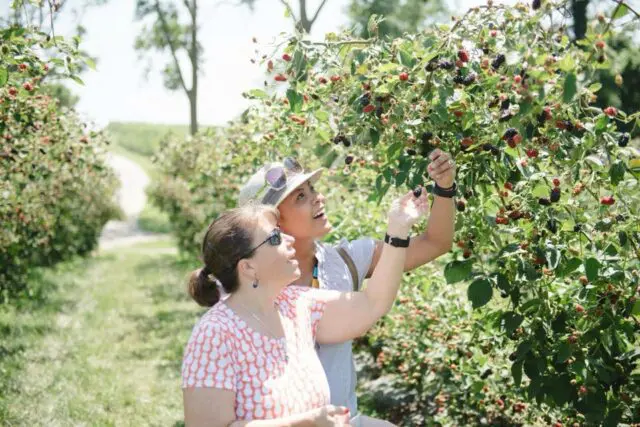
Smell can be one of the most helpful tools when selecting certain fruits. Items like cantaloupe, strawberries, peaches, tomatoes, pineapple, and citrus should give off a noticeable, sweet aroma when they are ripe. That fragrance is a sign that sugars have developed, and the fruit is ready to eat.
On the other hand, some fruits naturally have little to no scent even at peak ripeness. Apples, grapes, blackberries, blueberries, watermelon, and cherries fall into this category. If these fruits have a strong smell before being cut, it can actually indicate that they are overripe or starting to spoil. This is particularly helpful when learning how to tell if peaches are bad.
7. What’s the simplest way to improve your produce-picking habits overall?
The key is to engage your senses and stay curious. Instead of relying on just one sign, such as color or firmness, use what you see, feel, and smell to make a more informed choice. Notice how varieties and seasons can affect produce, since the same fruit may ripen differently depending on when and where it is grown. Over time, these small observations help build confidence.
One of the best ways to speed up that learning is through hands-on experience. If you’re looking for things to do for spring near St. Louis, consider visiting farms, markets, or seasonal picking destinations. A trip to Eckert’s Farm in Belleville, IL, for example, can help you better understand produce at different stages of ripeness.
By slowing down, using your senses, and learning from growers who know their crops best, you can turn a routine grocery trip into a more thoughtful and rewarding experience. The result is better-tasting food, less waste, and a deeper appreciation for everything that goes into each harvest.